
Kentucky’s hemp market has opened real business opportunities for smoke shops, vape stores, CBD retailers, and convenience stores. It has also created real legal risk. A product sold as legal hemp can still lead to criminal charges if its Delta-9 THC content, manufacturing process, labeling, or lab results don’t hold up.
For store owners in Bowling Green, Warren County, and across Kentucky, the takeaway is simple. A problem that looks like a compliance issue today can become a drug investigation tomorrow.
Why THC Concentration Decides Whether a Product Is Hemp or Marijuana
Under federal and Kentucky law, the line between legal hemp and illegal marijuana has largely depended on THC concentration. A product over the legal limit can be treated as marijuana, which can bring trafficking or possession charges under Kentucky’s controlled substances laws.
Most retailers rely on their suppliers to sell compliant products. Prosecutors, however, look at what was actually on the shelf, not what the distributor promised. That puts a wide range of businesses at risk:
- CBD and wellness stores
- Smoke shops and vape retailers
- Gas stations and convenience stores
- Online sellers shipping to Kentucky customers
The Federal Rules Are Changing, and Retailers Need to Pay Attention
For years, the federal test looked only at Delta-9 THC. That gap allowed Delta-8, THCA, and similar products to be sold as hemp. Congress has now rewritten the federal definition of hemp. It now counts total THC, including THCA, and caps finished products at 0.4 milligrams of total THC per container.
The new rules take effect in stages (source):
- November 12, 2026: Converted or synthetic cannabinoids, such as Delta-8, HHC, and THC-P, lose hemp status.
- December 11, 2026: The total-THC standard applies to naturally occurring cannabinoids, including THCA flower, hemp-derived Delta-9 gummies and drinks, and many full-spectrum CBD products.
Products that are legal today may be federally illegal within weeks. Kentucky also regulates hemp-derived cannabinoid products, and state and federal rules don’t always line up. Retailers who keep selling the same inventory after these dates take on serious risk.
Lab Results and Labels Don’t Always Match
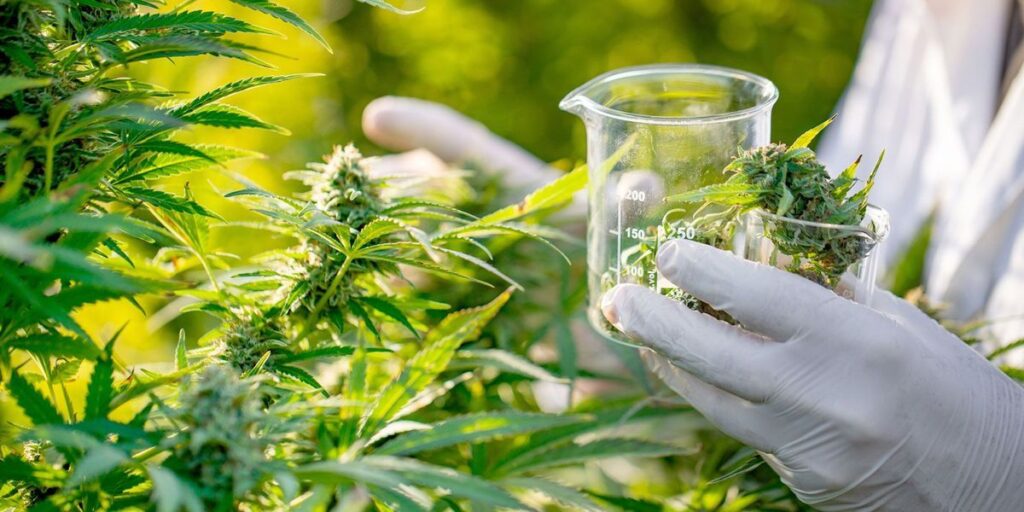
Testing in the hemp industry is inconsistent. A certificate of analysis (COA) may show a compliant product, while an independent or state crime lab test shows something different. Investigators commonly look at:
- Certificates of analysis and who issued them
- Independent and state lab test results
- Product labels, marketing, and packaging, especially packaging that appeals to young people
- How the product was manufactured or converted
Even products from well-known suppliers can create exposure if they fail testing.
Investigations Usually Reach Beyond the Products Themselves
Many owners assume police care only about the items they seized. In practice, these investigations often grow. Law enforcement may review:
- Sales and inventory records
- Purchase orders and supplier relationships
- Texts, emails, and other electronic communications
- In-store surveillance video
- Bank and financial records
The goal is often to show that the business knew it was selling products over the legal limit. Whether that knowledge actually existed is frequently the most important question in the defense.
What a Search Warrant Can Mean for Your Business
Hemp investigations often begin with a search warrant. Officers may seize inventory, computers, phones, and financial records, sometimes long before anyone is charged. The fallout can include:
- Lost inventory and revenue
- Business shutdowns or interruptions
- Frozen bank accounts or forfeiture proceedings
- Damage to the store’s reputation
- Criminal charges against owners, managers, or employees
These cases often raise Fourth Amendment questions, so the warrant and the search itself can be challenged. A successful challenge can change the outcome of the case.
Knowledge and Intent Are Often the Center of the Case
To convict, prosecutors generally must show that a retailer knowingly possessed or sold an illegal product. Key questions include:
- What did suppliers tell the retailer about the products?
- Did the products come with lab reports?
- Was it reasonable to rely on the manufacturer’s representations?
- Were employees trained on compliance?
- What do the business’s communications actually show?
How these questions are answered can shape whether a case stays in state court, moves to federal court, or is dismissed.
Frequently Asked Questions
Can I be charged if my supplier said the products were legal? Yes. A supplier’s assurance doesn’t automatically protect you. But your reliance on COAs and supplier representations can be important evidence on whether you knew the product was illegal.
Will Delta-8 and THCA products be illegal after the federal changes? Under the new federal definition, many of these products will no longer qualify as hemp once the new dates take effect. Kentucky law adds its own requirements, so review your inventory now.
What should I do if police execute a search warrant at my store? Stay calm, don’t interfere, and don’t answer questions about your products or suppliers without a lawyer present. Contact a criminal defense attorney as soon as possible.
Talk to a Bowling Green Criminal Defense Attorney About Hemp and THC Charges
Kentucky’s hemp laws are changing quickly, and the shift from a Delta-9 standard to a total-THC standard will put many retailers in a difficult position. What begins as a question about product compliance can turn into a felony investigation.
The Law Office of Jeger Ali PLLC defends individuals and business owners facing drug charges in Bowling Green, Warren County, and throughout Kentucky. Attorney Jeger Ali can review your inventory, your supplier documentation, and the government’s evidence, and then help you protect your rights and your business.
If your store is under investigation or you have been charged with a crime involving hemp or THC products, call 270-202-0768 or contact us online to schedule a confidential consultation.
This article is for general information only and is not legal advice. Hemp laws are changing; this post reflects the law as of October 2026.