
Facing a Medicaid or Medicare Fraud Investigation in Bowling Green?
Healthcare fraud happens when a person or business gives false or misleading information about medical care in order to get paid for something the government would not otherwise pay for. The U.S. Department of Justice treats these cases seriously, and so does the Commonwealth of Kentucky.
Because Medicaid is run jointly by Kentucky and the federal government, and Medicare is a federal program, one set of allegations can lead to charges in state court, federal court, or both. Doctors, nurses, pharmacists, home health agencies, clinic owners, billing staff, and patients can all become targets.
If an investigator has contacted you, served a subpoena, or asked for records, speak with a criminal defense attorney before you answer any questions. You have the right to have a lawyer with you at any interview with a Medicaid or Medicare fraud investigator. The Law Office of Jeger Ali PLLC defends clients in Bowling Green and across South Central Kentucky against healthcare fraud allegations.
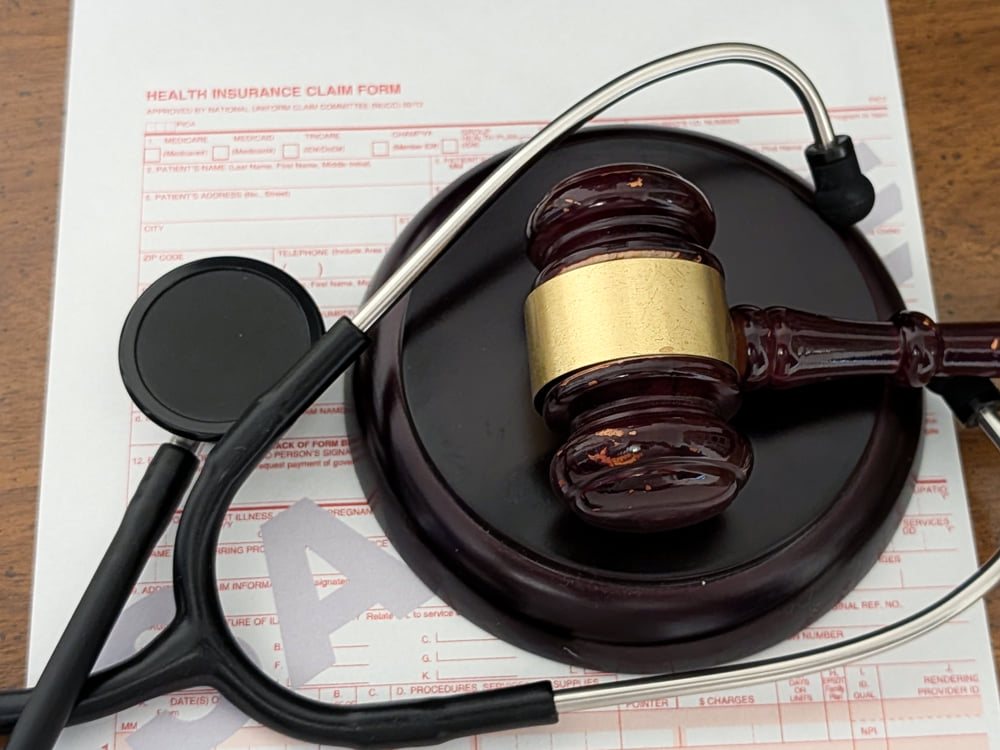
Who Investigates Medicaid and Medicare Fraud in Kentucky?
In Kentucky, the Attorney General’s Office of Medicaid Fraud and Abuse Control investigates and prosecutes fraud against the Medicaid program. It can bring both criminal charges and civil actions against healthcare providers and the owners, officers, and employees of those businesses. It also handles complaints of abuse and neglect in facilities that receive Medicaid funds.
Other agencies often work alongside it, including:
- The Office of Inspector General for the Kentucky Cabinet for Health and Family Services
- The U.S. Department of Health and Human Services, Office of Inspector General (HHS-OIG)
- The FBI and the U.S. Attorney’s Office for the Western District of Kentucky
- Private insurance fraud units and Medicare billing auditors
By the time an investigator calls, mails a letter, or shows up at your office, the government has usually been building its case for months. The first contact is rarely the beginning of the investigation. What you say at that stage can be used against you, so let an attorney find out how far the investigation has gone before you respond.
Common Medicaid and Medicare Fraud Allegations Against Healthcare Providers
Federal and state prosecutors, law enforcement, and trained auditors pursue a wide range of provider fraud claims. Some of the most common allegations include:
- Billing for services, tests, or supplies that were never provided
- Upcoding, or billing a service at a higher level than what was performed
- Billing a non-covered service as if it were covered
- Double billing or overbilling for the same service
- Billing for medically unnecessary procedures or tests
- Changing or falsifying medical records or diagnoses
- Writing unnecessary or fraudulent prescriptions
- Paying or accepting kickbacks for patient referrals
- Billing through shell companies for work that was never done
- Using false credentials or letting unlicensed staff provide care
The fallout from a provider investigation can reach far beyond a criminal case. Providers may face administrative hearings, exclusion from Medicaid and Medicare, repayment demands, civil penalties under the False Claims Act, and discipline from the Kentucky Board of Medical Licensure or another licensing board.
If you have received a records request or subpoena from a Medicaid or Medicare investigator, call a defense attorney before you produce anything. A lawyer can find out whether you are a witness or a target and respond in a way that protects you and your practice.
Medicaid and Medicare Fraud Allegations Against Patients and Beneficiaries
Fraud charges are not limited to doctors and clinics. Patients and program members can also be investigated and charged for conduct such as:
- Lying about income, household size, or residency to qualify for Medicaid
- Adding a person who is not eligible as a dependent
- Letting someone else use your Medicaid or Medicare card, or using another person’s coverage
- Forging prescriptions or selling prescription medications
- Using another person’s identity to obtain care or benefits
A conviction can bring jail time, fines, an order to repay the benefits, and loss of coverage. Many of these cases start with a simple misunderstanding on an application. An experienced criminal defense attorney can review the facts and push back before the case grows.
Talk to a Bowling Green Healthcare Fraud Defense Lawyer
The Law Office of Jeger Ali PLLC represents people accused of Medicaid and Medicare fraud in Warren County and surrounding communities, including Franklin, Scottsville, Glasgow, Morgantown, and Russellville. We make the government prove its case, and we do not push clients into plea deals that do not serve them.
If you are under investigation or have been charged, call 270-202-0768 or email ali@alilawoffice.com to schedule a consultation. Our office is at 728 Chestnut Street, Suite 206, Bowling Green, KY 42101. Se habla español.
Frequently Asked Questions About Medicaid and Medicare Fraud in Kentucky
What is the difference between Medicare and Medicaid?
Medicare is a federal health insurance program, mainly for people 65 and older and some people with disabilities. Medicaid is a joint state and federal program that covers people with limited income, and in Kentucky it is run by the Cabinet for Health and Family Services. Because of this, Medicare fraud is usually handled federally, while Medicaid fraud can be handled by state or federal authorities.
What counts as Medicaid or Medicare fraud?
In general, it is knowingly making a false statement or using a scheme to obtain payment from a healthcare program that you are not entitled to. The key word is knowingly. Prosecutors usually must prove you intended to deceive, not just that a bill was wrong.
Will my case be prosecuted in state or federal court?
It depends on the program involved, the amount of money, and which agency led the investigation. Medicaid cases are often prosecuted in Kentucky state court, while Medicare cases and larger schemes tend to go to federal court. Some cases involve both.
What are the penalties for Medicaid and Medicare fraud?
Penalties depend on the charge, the dollar amount, and whether anyone was harmed. Federal healthcare fraud can carry up to 10 years in prison per count, and more if a patient was seriously injured or died. Other consequences can include large fines, restitution, civil penalties, exclusion from federal health programs, and loss of a professional license.
What is the difference between the Anti-Kickback Statute and the Stark Law?
The Anti-Kickback Statute makes it a crime to knowingly offer, pay, or accept anything of value in exchange for referrals of business paid by federal health programs. It applies to anyone and requires intent. The Stark Law is a civil law that bars physicians from referring certain patients to businesses where the doctor or a family member has a financial interest, unless an exception applies. Stark violations do not require proof of intent.
Can a provider be prosecuted for honest billing mistakes?
Honest mistakes are generally not a crime, because criminal fraud requires intent. However, mistakes can still lead to audits, repayment demands, and civil penalties. A pattern of errors may also be presented as evidence of intent, so it is wise to involve an attorney early.
Do I need a lawyer if the accusations are false?
Yes. Innocent people can still be charged, especially in billing cases where records are complicated. An attorney can make sure you do not accidentally hurt your own case and can present your side to investigators or prosecutors before charges are filed.
How long does a Medicaid or Medicare fraud investigation take?
There is no set timeline. Smaller matters may wrap up in a few months, while complex cases can take years. Do not assume silence means the case is over. Your attorney can monitor the investigation and respond on your behalf.
How can a healthcare fraud defense attorney help me?
A defense lawyer can handle contact with investigators, review subpoenas and record requests, analyze billing data and medical records, and identify weaknesses in the government’s case. In some situations, early involvement can lead to a resolution without criminal charges.
This article is for general information only and is not legal advice. Reading it does not create an attorney-client relationship.